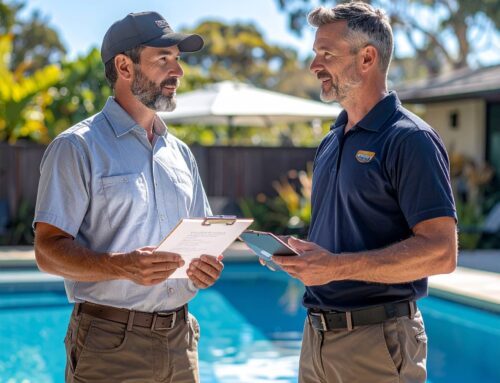
Most pool owners think a service visit means someone shows up, throws in some chlorine, and leaves. That’s not how professional pool care works – not if you want water that’s safe, clear, and balanced year-round.
Indigo Pool Care services over 500 pools monthly across Perth’s northern and western suburbs, and every pool service visit follows a systematic process designed to catch problems early, maintain water quality, and extend equipment life. Here’s exactly what happens when a qualified technician arrives at your property.
Surface Skimming and Debris Removal
The first step in any professional pool service visit involves removing visible debris from the water surface and pool floor. This isn’t just about aesthetics – leaves, insects, and organic matter introduce contaminants that consume chlorine and create breeding grounds for algae.
Technicians use professional skimmer nets to clear floating debris, then check the pool floor for settled leaves or dirt. In Perth’s climate, especially during autumn when gum trees shed heavily, this step prevents organic material from breaking down and staining pool surfaces.
Skimmer baskets get emptied during every visit. A full basket restricts water flow to the pump, reducing filtration efficiency and forcing your equipment to work harder. Think of it like trying to breathe through a blocked nose – everything becomes more difficult.
Water Testing and Chemical Analysis
Professional water testing goes far beyond checking chlorine levels. During each pool service visit, technicians test multiple parameters that affect water balance, swimmer comfort, and equipment longevity.
The Seven Critical Parameters
Every professional pool service visit includes testing for:
- Free chlorine levels (sanitiser strength)
- pH levels (acidity or alkalinity)
- Total alkalinity (pH buffer)
- Calcium hardness (scale prevention)
- Cyanuric acid (chlorine stabiliser)
- Phosphate levels (algae nutrient)
- Salt levels (for chlorinated pools)
These readings get recorded in service reports, creating a historical record that reveals patterns. For example, if pH consistently drifts high between visits, it signals an underlying issue – perhaps your chlorinator’s running too long, or you’ve got excessive water splash-out from enthusiastic swimmers.
Water balance works like baking a cake. You can’t just add more flour and expect better results – all ingredients must be in precise proportions. Too much calcium creates scale on tiles and heater elements. Too little causes corrosive water that etches plaster and damages equipment seals.
Chemical Dosing and Balancing
After testing, technicians add chemicals to restore proper balance. This isn’t guesswork – it’s based on pool volume, current readings, and WA Health Department requirements for safe swimming water.
Chlorine dosing maintains sanitiser levels between 1 – 3 ppm for residential pools. In Perth’s summer heat, chlorine degrades faster due to UV exposure and higher water temperatures, so dosing requirements change seasonally.
pH adjustment keeps water between 7.2 – 7.6, the ideal range for chlorine effectiveness and swimmer comfort. Water outside this range either irritates eyes and skin (too low) or allows algae growth and reduces sanitiser effectiveness (too high).
Alkalinity buffers prevent pH from swinging wildly. Total alkalinity should sit between 80 – 120 ppm, acting as a shock absorber for pH fluctuations caused by rain, splashing, or chemical additions.
A family in Quinns Rocks learned this lesson the hard way. They’d been adding chlorine religiously but couldn’t understand why their pool kept turning cloudy. When technicians tested the water, pH sat at 8.2 – so high that chlorine couldn’t work effectively. Within 24 hours of balancing the water properly, clarity returned.
Filter Inspection and Backwashing
Your pool filter captures dirt, oils, and microscopic particles that make water cloudy. During each professional pool service visit, technicians inspect filter pressure gauges and perform backwashing when needed.
Sand filters require backwashing when pressure rises 8 – 10 psi above the clean baseline. This reverses water flow, flushing trapped debris out through the waste line. The process takes 3 – 5 minutes and removes weeks of accumulated contamination.
Cartridge filters get inspected visually. When pleats appear grey or brown despite rinsing, it’s time for a deep clean with filter cleaner solution or replacement. Most cartridges last 2 – 3 years in Perth conditions before the fabric degrades.
DE (diatomaceous earth) filters combine backwashing with fresh DE powder addition. These filters provide the finest filtration but require more maintenance expertise – another reason professional service matters.
Neglected filters force pumps to work harder, increasing electricity costs and shortening equipment life. It’s like driving with a clogged air filter – your engine struggles and burns more fuel.
Pump and Equipment Inspection
Every visit includes a visual and auditory inspection of pool equipment. Technicians look and listen for warning signs that indicate developing problems.
What Gets Checked
Pump operation: Is it running quietly, or making grinding, squealing, or rattling noises? Unusual sounds indicate worn bearings, damaged impellers, or debris lodged in the housing.
Leak detection: Technicians check around pump seals, filter housings, and pipe connections for moisture or calcium deposits (white crusty buildup that forms where water leaks and evaporates).
Chlorinator function: Salt chlorinators get inspected for proper operation, cell condition, and salt level. Cells with heavy scale buildup produce less chlorine and eventually fail.
Heater condition: If you’ve got a pool heater, technicians check for corrosion, proper ignition, and temperature control. Perth’s coastal suburbs see faster corrosion due to salt air exposure.
Timer settings: Pump timers get verified to ensure adequate filtration hours for current season and pool usage. Summer pools need 8 – 10 hours daily; winter pools manage with 4 – 6 hours.
Early detection saves thousands. A small leak caught during routine service might cost $150 to repair. Ignore it for months, and you’re looking at pump replacement, water damage to surrounding areas, and inflated water bills.
Pool Cleaner Maintenance
Automatic pool cleaners – whether suction-side, pressure-side, or robotic – need regular attention to function properly. Technicians inspect cleaner operation and address common issues.
Suction cleaners get checked for blocked hoses, worn footpads, and proper movement patterns. If your cleaner’s getting stuck in corners or missing sections of the pool, adjustments or part replacements restore coverage.
Pressure cleaners require inspection of booster pump operation (if applicable), bag condition, and wheel movement. Worn wheels cause uneven movement and missed spots.
Robotic cleaners need filter canister cleaning and cable inspection. Tangled or kinked cables prevent proper operation and eventually damage internal wiring.
One Mindarie property manager contacted pool care specialists after their rental property’s pool cleaner stopped working. The previous tenant had removed it for a pool party three months earlier and never reconnected it properly. By the time technicians arrived, the pool had visible algae growth and required shock treatment plus extra service visits – costs that could’ve been avoided with regular residential pool care.
Tile and Waterline Cleaning
The waterline collects oils, sunscreen, and organic matter that create a visible scum line. During each pool service visit, technicians brush this area to prevent buildup and maintain appearance.
Calcium scale forms above the waterline in Perth’s hard water conditions. Regular brushing during service visits prevents heavy deposits that eventually require acid washing or professional tile cleaning to remove.
Tile brushing also dislodges algae spores before they establish colonies. This preventive step is especially important during Perth’s hot months when algae growth accelerates.
For pools with persistent scale or staining, technicians might recommend specialised cleaning treatments or adjustments to water balance that prevent future buildup.
Brushing Pool Surfaces
Even with automatic cleaners, manual brushing remains essential. Technicians brush pool walls, steps, and corners where cleaners can’t reach effectively.
Algae prevention is the primary goal. Brushing disrupts algae spores before they attach and multiply, especially in shaded areas, behind ladders, and on step surfaces.
Surface longevity improves with regular brushing. Pebblecrete and plaster surfaces stay smoother longer when organic matter and calcium don’t accumulate in pores.
This step takes only 5 – 10 minutes but makes a significant difference in water quality and appearance between visits.
Equipment Area Inspection
Professional technicians don’t ignore the area around your pool equipment. They check for hazards, compliance issues, and maintenance needs.
Electrical Safety
Exposed wiring, damaged conduit, or water near electrical connections get flagged immediately. Perth’s coastal humidity accelerates electrical corrosion.
Ventilation
Equipment areas need adequate airflow, especially around chlorinators and control systems. Poor ventilation causes premature failure of electronic components.
Access Clearance
WA regulations require clear access to pool equipment for maintenance and emergency shutoff. Overgrown plants or stored items that block access create compliance and safety issues.
For strata complexes and body corporate pools, equipment area compliance is particularly important during WA Health Department inspections.
Service Report and Recommendations
After completing the physical service, technicians document findings and provide recommendations. This isn’t just paperwork – it’s your record of pool condition and early warning system for developing issues.
Water chemistry readings get recorded with date and time stamps. Over time, these records reveal patterns that help optimise chemical programs and identify problems.
Equipment observations note any unusual sounds, leaks, or performance issues. When a pump starts making noise in January but doesn’t fail until March, that January service note proves the problem was developing – important for warranty claims.
Recommendations might include upcoming part replacements, water balance adjustments, or equipment upgrades that improve efficiency or reduce maintenance costs.
Digital service reports mean you can access pool history from anywhere, share information with property managers or tenants, and track maintenance costs over time.
Seasonal Adjustments
Professional pool service adapts to Perth’s seasonal changes. What your pool needs in January differs dramatically from July requirements.
Summer Service Focus
During Perth’s hot months (November through March), pool service visits emphasise:
- Increased chlorine dosing to combat UV degradation
- More frequent backwashing due to higher bather loads and debris
- Enhanced algae prevention in warmer water temperatures
- Pump run-time adjustments for adequate turnover
Winter Service Adjustments
Cooler months (June through August) allow for:
- Reduced chemical consumption
- Shorter pump run times
- Focus on equipment maintenance and repairs
- Preparation for spring algae bloom prevention
A Joondalup landlord once cancelled winter pool service to “save money” while his property sat vacant. When tenants moved in during September, they found a green swamp requiring $800 in shock treatment, acid washing, and extra service visits – far more than the $400 he’d saved skipping winter maintenance.
Why DIY Pool Care Falls Short
Many Perth homeowners attempt pool maintenance themselves, and while basic tasks are manageable, professional service delivers value that’s difficult to replicate.
Experience Matters
Technicians service dozens of pools weekly, seeing patterns and problems that occasional pool owners miss. That slight pump noise you’ve ignored? They recognise it as a failing bearing that’ll seize within weeks.
Proper Testing Equipment
Professional test kits provide accuracy that pool shop test strips can’t match. Small measurement errors lead to chronic water balance issues.
Chemical Knowledge
Understanding how chemicals interact, proper dosing calculations, and safety handling requires training. Overdosing stabiliser, for example, creates a problem that takes months to correct.
Time Efficiency
What takes a homeowner 90 minutes of fumbling with equipment, testing, and chemical additions takes a professional 20 minutes – and gets done right.
Equipment Expertise
When something’s not working correctly, technicians diagnose and often fix issues on the spot, rather than scheduling separate repair visits.
The Real Cost of Skipping Professional Service
Pool owners sometimes view regular service as an expense rather than an investment. But consider what skipping professional pool service visits actually costs.
Equipment Failures
A pump that fails prematurely due to poor maintenance costs $800 – 1,500 to replace. Regular service extends equipment life by years.
Water Replacement
Chronically unbalanced water eventually requires partial or complete draining – thousands of litres of wasted water plus refill costs.
Surface Damage
Etched plaster, stained pebblecrete, or damaged tiles from chemical imbalance cost thousands to repair or refinish.
Health Risks
Improperly maintained pools harbour bacteria and algae that cause illness, particularly dangerous for young children and elderly swimmers.
Property Value
A neglected pool becomes a liability during property sales, reducing value and deterring buyers.
Time Waste
Homeowners spend hours troubleshooting problems that professionals prevent or resolve quickly.
For Perth landlords and property managers, poor pool maintenance creates tenant complaints, increased vacancy periods, and potential liability issues. Regular professional pool service visits protect your investment and keep tenants satisfied.
What Separates Professional Service From Basic Maintenance
Not all pool service is equal. Here’s what distinguishes professional pool service visits from basic maintenance:
Systematic Approach
Every aspect gets checked in sequence, ensuring nothing’s overlooked.
Preventive Focus
Professionals identify and address developing issues before they become expensive failures.
Proper Documentation
Service records create accountability and historical data that improves long-term care.
Regulatory Compliance
Professional services understand and maintain WA Health Department requirements for pool water quality and safety.
Equipment Expertise
Technicians recognise equipment problems and often carry common replacement parts for immediate repairs.
Chemical Precision
Proper dosing based on accurate testing and pool volume calculations, not guesswork.
Liability Coverage
Licensed and insured professionals protect you from liability if something goes wrong.
Choosing the Right Service Provider
When selecting pool service in Perth, consider these factors:
Experience
How long have they serviced Perth pools? Do they understand local water conditions and climate challenges?
Service Scope
What’s actually included in each visit? Get specifics, not vague promises.
Reporting
Do you receive documented service reports with chemistry readings and recommendations?
Licensing
Are technicians properly trained and licensed for pool chemical handling?
Equipment Capability
Can they service and repair equipment, or just add chemicals?
Availability
What happens if problems arise between scheduled visits?
Local Knowledge
Do they understand Perth’s seasonal challenges, from summer algae blooms to winter maintenance?
Making Professional Service Work For Your Situation
Pool service visits aren’t one-size-fits-all. Professional providers customise frequency and scope based on your specific needs.
Weekly Service
High-use family pools, rental properties with frequent tenant turnover, and pools in challenging locations (heavy tree coverage, north-facing exposure) benefit from weekly visits.
Fortnightly Service
Moderate-use pools, semi-retired couples, or properties where owners handle basic skimming between professional visits work well with fortnightly service.
Monthly Service
Low-use pools during winter months might suffice with monthly service, though weekly or fortnightly service remains advisable during Perth’s swimming season.
One-Off Service
One-off service helps prepare pools for summer, diagnose persistent problems, or get abandoned pools back to swimmable condition.
Flexible Agreements
Property managers often benefit from flexible service agreements that adjust seasonally or respond to tenant changeovers, vacancy periods, and property sales.
The Bottom Line On Professional Pool Service
A proper pool service visit involves systematic inspection, testing, chemical balancing, equipment maintenance, and documentation – far more than throwing chlorine in the water. Professional service prevents expensive failures, extends equipment life, maintains safe swimming conditions, and saves time.
Whether you’re a Perth homeowner tired of green pool battles, a landlord protecting your investment property, or a strata manager responsible for community facilities, professional pool service delivers measurable value that far exceeds the cost.
Your pool represents a significant investment – typically $30,000 – 60,000 for installation, plus thousands in equipment and ongoing costs. Protecting that investment with regular professional service isn’t an expense; it’s insurance against costly failures and premature replacement.
Ready to experience what professional pool care actually means? Contact us to discuss service options tailored to your pool’s specific needs and your property situation. Our team brings over 12 years of Perth pool care experience to every service visit, backed by systematic processes and genuine expertise.