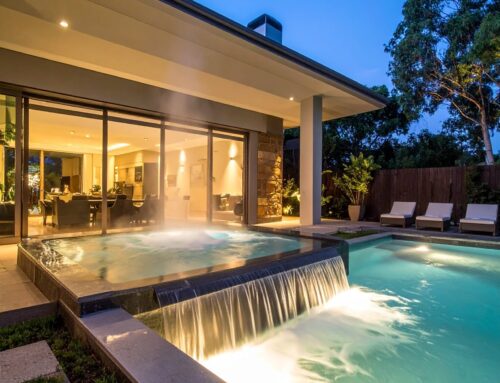
The pool that sparkles under the midday sun often sits unused after dark – not because Australia’s warm evenings aren’t perfect for a swim, but because inadequate lighting turns what should be an inviting retreat into a shadowy, uninviting space. Proper pool lighting doesn’t just extend swimming hours; it transforms backyards into functional, safe, and visually striking outdoor living areas.
Modern pool lighting installation Perth homeowners are choosing goes far beyond the single halogen bulb that once passed for pool illumination. LED technology, colour-changing systems, and energy-efficient designs have redefined what’s possible, turning evening swims into an experience rather than an afterthought. Indigo Pool Care understands that thoughtful underwater lighting design elevates both functionality and aesthetics.
Why Pool Lighting Matters Beyond Aesthetics
Many homeowners view pool lighting as purely decorative – a nice-to-have feature for the occasional night swim. The reality is more practical. Lighting serves three critical functions that directly affect how pools are used and maintained.
Safety comes first. A poorly lit pool is a liability, particularly with children, elderly family members, or guests who aren’t familiar with the pool’s layout. Steps, ledges, and depth changes become hazards in dim conditions. Adequate lighting eliminates these risks, making entry and exit points clearly visible and allowing swimmers to orient themselves properly in the water.
Usability extends the investment. Australia’s climate supports outdoor swimming for much of the year, but without proper lighting, half the potential pool time is effectively lost. Evening swims offer cooler temperatures during summer and a chance to use the pool after work or school – benefits that disappear when pools sit in darkness after sunset.
Maintenance becomes easier. Good lighting allows spotting debris, algae growth, or equipment issues that might otherwise go unnoticed until they become significant problems. A well-lit pool means not waiting until daylight to assess water quality or check for damage after a storm.
LED vs Halogen: The Technology Shift
The difference between older halogen systems and modern LED pool lights isn’t subtle – it’s transformative in terms of performance, cost, and longevity.
Traditional halogen pool lights served their purpose for decades, but they came with significant drawbacks. They consumed 300-500 watts of power, generated substantial heat, and required bulb replacements every 2,000-4,000 hours of use. In practical terms, that meant higher electricity bills, shorter lifespans, and the hassle of draining pools or hiring technicians for replacements.
LED pool lighting operates on an entirely different scale. Most LED pool lights draw 15-50 watts while producing comparable or superior brightness to their halogen predecessors. The energy savings compound over time – a typical LED pool light costs roughly $15-25 annually to operate versus $150-200 for halogen.
Lifespan tells an even more compelling story. Quality LED systems last 30,000-50,000 hours, effectively eliminating routine bulb replacements for most homeowners. That translates to 10-15 years of use before replacement becomes necessary, compared to 1-2 years for halogen systems.
Heat generation matters more than many realise. Halogen lights transfer significant heat into pool water, which can affect chemical balance and increase evaporation rates during hot summers. LED lights remain cool, maintaining stable water conditions and reducing the workload on filtration and chemical systems.
Colour-Changing Systems: Function Meets Design
Colour-changing LED systems have moved from luxury novelty to practical standard for good reason. These systems don’t just cycle through colours for visual effect – they allow adjusting pool ambience and functionality based on how the space is being used. This flexibility is central to modern underwater lighting design.
White light settings provide clear, bright illumination for active swimming, games, or pool maintenance. This is the functional lighting mode, offering the visibility needed for safe, practical pool use.
Blue and aqua tones create the classic pool aesthetic most homeowners envision – a cool, inviting glow that mimics natural water colours and blends seamlessly with landscaping. These settings work particularly well for quiet evening swims or when the pool serves as a visual backdrop for outdoor entertaining.
Warm colours (amber, red, orange) shift the atmosphere entirely, creating a resort-like feel that transforms pool areas into outdoor living spaces. These settings work well for poolside gatherings where the pool itself isn’t being used but contributes to the overall ambience.
Most modern systems include programmable settings, allowing creation of custom colour sequences or setting specific colours for different times or occasions. The control systems range from simple remote controls to smartphone apps that integrate with broader home automation systems. Quality pool equipment ensures these systems operate reliably for years.
Strategic Placement and Coverage
The number and placement of pool lights determines both safety and aesthetic quality. A single light rarely provides adequate coverage, regardless of its brightness or quality. Effective underwater lighting design requires strategic planning.
Standard residential pools (8m x 4m) typically require 2-3 lights for proper illumination. Placing lights on opposite ends ensures even coverage without creating dark zones in the centre. Larger pools (10m+) benefit from 3-4 strategically positioned lights that eliminate shadows and provide consistent brightness throughout.
Depth and shape matter. Pools with shallow ends, deep ends, and varying contours need lights positioned to highlight these transitions. A light placed too close to steps or a beach entry may create glare, while one positioned at mid-depth provides better overall visibility.
Spa and water feature integration requires separate consideration. Built-in spas, waterfalls, and deck jets each benefit from dedicated lighting that highlights these features without overwhelming the main pool illumination. This layered approach creates visual interest while maintaining functional lighting where it’s needed most.
For homeowners managing rental properties, adequate lighting isn’t optional – it’s a safety requirement that protects both tenants and property owners from liability issues. Clear visibility throughout the pool area reduces accident risk and demonstrates proper maintenance standards.
Installation Considerations and Electrical Requirements
Pool lighting isn’t a DIY project. The combination of water, electricity, and structural pool components requires licensed professionals who understand both electrical codes and pool construction. Professional pool lighting installation Perth specialists ensure compliance and safety.
Voltage systems come in two main types: 12-volt and 240-volt. Most modern installations use 12-volt systems for safety reasons – the lower voltage reduces shock risk while still providing ample brightness. These systems require a transformer to step down household current, which should be installed in an accessible, weatherproof location near the pool equipment.
Retrofitting existing pools presents different challenges than new construction. If pools already have light niches (the housing units built into the pool wall), upgrading to LED systems is relatively straightforward – it’s often a matter of replacing the light fixture itself. Pools without existing lighting require cutting into the pool shell to install niches, a more involved process that typically coincides with resurfacing or major renovation work.
Conduit and wiring must meet strict standards. All electrical runs to pool lights require proper conduit installation with appropriate waterproofing and bonding. This isn’t an area where shortcuts are acceptable – improper installation creates serious safety hazards and code violations that can affect insurance coverage and property sales.
Professional equipment specialists handle these installations as part of broader equipment upgrades, ensuring that lighting integrates properly with existing electrical systems and meets all safety requirements.
Energy Efficiency and Operating Costs
The shift to LED technology has fundamentally changed the economics of pool lighting. What was once a significant ongoing expense has become negligible in most household budgets.
Annual operating costs for a typical three-light LED system running 4 hours per evening average $45-75, based on current Australian electricity rates. The equivalent halogen system would cost $450-600 annually – a difference that pays for the LED upgrade within 2-3 years.
Maintenance savings compound these benefits. Halogen bulb replacements typically cost $80-150 per light when factoring in the bulb itself plus labour for installation (which often requires partial pool draining or specialised equipment). LED systems eliminate these recurring costs for a decade or more.
Smart controls add another efficiency layer. Timer systems ensure lights operate only when needed, while dimming capabilities allow reducing brightness during low-use periods without switching lights off entirely. Some advanced systems include motion sensors that activate lighting automatically when someone approaches the pool area – useful for safety while minimising unnecessary runtime.
For strata complexes managing community pools, these efficiency gains multiply across larger installations, often reducing annual lighting costs by 70-80% compared to older halogen systems.
Safety Standards and Compliance
Pool lighting installations in Australia must comply with AS/NZS 3000 (the Australian/New Zealand Wiring Rules) and AS 3100 (pool safety standards). These regulations exist because the combination of electricity and water creates inherent risks that proper installation must mitigate.
Bonding requirements mandate that all metal components within the pool area – including light fixtures, handrails, and equipment – be electrically bonded to prevent potential shock hazards. This creates a unified electrical system that eliminates voltage differentials between components.
RCD protection (residual current device, commonly called a safety switch) is mandatory for all pool lighting circuits. These devices detect current leakage and shut off power within milliseconds, preventing serious injury or electrocution. Modern installations typically use 30-milliamp RCDs specifically rated for pool applications.
Inspection and certification by licensed electricians ensures installations meet these standards. This isn’t bureaucratic box-ticking – it’s verification that lighting systems are safe for long-term use. For insurance purposes and future property sales, proper certification documents are essential.
Homeowners using residential pool care services should ensure their provider checks lighting function during regular maintenance visits. Flickering lights, intermittent operation, or visible water intrusion in light fixtures indicate problems that require immediate professional attention.
Integration with Landscaping and Outdoor Living
Pool lighting doesn’t exist in isolation – it’s part of broader outdoor environments. Coordinating pool lights with landscape lighting, deck illumination, and entertainment areas creates a cohesive outdoor space that functions well after dark. This holistic approach to underwater lighting design considers the entire setting.
Layered lighting approaches combine pool lights with pathway lighting, garden uplighting, and deck-level fixtures. This creates depth and visual interest while ensuring safe movement throughout outdoor areas. Pool lights provide focal illumination, while surrounding landscape lighting fills in peripheral areas and highlights architectural or garden features.
Colour coordination between pool and landscape lighting maintains visual harmony. If pools use blue-white LED tones, matching or complementing those tones in landscape fixtures creates a unified aesthetic. Conversely, using warm-toned landscape lighting with cool pool lighting can create intentional contrast that defines separate zones in outdoor spaces.
Entertainment integration has become increasingly common. Pool lighting that syncs with outdoor audio systems or responds to music creates an immersive environment for gatherings. While these features lean toward luxury rather than necessity, they demonstrate how far pool lighting technology has evolved beyond simple illumination.
Common Problems and Maintenance Requirements
Even quality LED systems require occasional attention. Understanding common issues helps identify problems early, before they become safety hazards or require expensive repairs.
Water intrusion is the most frequent problem. Pool lights are sealed units, but O-rings and gaskets deteriorate over time, particularly in chlorinated environments. Signs include condensation inside the light lens, flickering, or complete failure. Addressing water intrusion promptly prevents damage to the light fixture and electrical components.
Lens discolouration occurs gradually as plastic lenses age and accumulate mineral deposits from pool water. This reduces light output and creates a dingy appearance. Regular cleaning during pool maintenance helps, but eventually lens replacement becomes necessary – typically after 7-10 years for quality fixtures.
Electrical issues manifest as intermittent operation, dimming, or complete failure. These problems may originate at the light fixture itself, the transformer, or anywhere along the wiring run. Because these issues involve electrical systems in wet environments, professional diagnosis and repair are essential.
Colour function problems in LED systems sometimes occur when individual colour diodes fail or control circuits malfunction. A light that won’t change colours or gets stuck on one colour indicates internal component failure. Most modern LED fixtures use modular designs that allow component replacement rather than full fixture replacement.
Regular inspections by professionals – either as part of comprehensive pool servicing or through dedicated equipment checks – identify these issues before they escalate. The goal is catching problems during routine maintenance rather than discovering them during a late-evening swim when a light suddenly fails.
Cost Considerations and Return on Investment
Pool lighting upgrades represent a significant but worthwhile investment. Understanding the cost structure helps homeowners make informed decisions about system selection and timing. Working with experienced pool lighting installation Perth professionals ensures accurate project scoping.
Basic LED conversions (replacing existing halogen fixtures with LED equivalents) typically cost $400-700 per light, including the fixture and professional installation. For a standard two-light system, expect $800-1,400 total.
Colour-changing systems add $200-400 per light compared to white-only LED fixtures, plus control system costs ($300-800 depending on features). A complete colour-changing system for a typical residential pool runs $1,800-3,500.
New installations (adding lights to pools that lack them) cost more due to the structural work required. Cutting niches into existing pool shells, running new conduit, and integrating with electrical systems typically costs $1,200-2,000 per light location. This work is most cost-effective when combined with pool resurfacing or major renovation projects.
Return on investment comes through multiple channels. Energy savings offset upgrade costs over 3-5 years. Increased pool usage extends the value of pool investments. Safety improvements reduce liability risk. Property value enhancement adds to resale appeal – properly lit pools photograph better and demonstrate quality maintenance to potential buyers.
For property managers handling multiple pools, the maintenance and energy savings from LED upgrades justify the initial investment within 2-3 years, while reducing ongoing service requirements and tenant complaints about inadequate lighting.
Future-Proofing Your Pool Lighting
Technology continues evolving, but choosing quality systems today ensures lighting remains functional and relevant for years to come. Modern underwater lighting design incorporates adaptability for future upgrades.
Smart home integration is becoming standard rather than optional. Systems that connect to home automation platforms (Google Home, Amazon Alexa, Apple HomeKit) offer convenience and functionality that standalone systems can’t match. Voice control, scheduling, and integration with other outdoor systems create seamless operation.
Wireless controls eliminate the need for dedicated wall switches or remotes. Smartphone apps provide full system control from anywhere, useful for adjusting lighting before arriving home or managing settings while entertaining.
Upgradeable components matter for long-term value. Systems with modular designs allow component upgrades without replacing entire fixtures. As control technology improves, control systems can be upgraded while keeping existing light fixtures.
Energy monitoring features in advanced systems track power consumption and provide data on operating costs. This visibility helps optimise usage patterns and identify potential problems before they cause failures.
Making the Upgrade Decision
The right time for lighting upgrades varies by circumstance, but several situations make the investment particularly worthwhile.
Existing halogen systems approaching 10-15 years old are prime candidates for LED conversion. At this age, bulb replacements and potentially fixture failures are likely. Converting to LED eliminates these recurring costs while dramatically improving performance.
Pool renovations present ideal opportunities for lighting upgrades. If resurfacing, retiling, or making structural changes, adding or upgrading lights involves minimal additional disruption and cost compared to standalone projects.
Safety concerns make upgrades urgent rather than optional. If current lighting leaves dark zones, creates glare, or operates inconsistently, addressing these issues protects families and guests from preventable accidents.
Increased usage patterns justify better lighting. If evening swims are avoided because of poor visibility, or if pools serve as centrepieces for outdoor entertaining, proper lighting transforms how spaces are used.
For expert guidance on lighting upgrades tailored to specific pools and usage patterns, contact us for a comprehensive assessment. Professional evaluation identifies the most cost-effective approach, whether that’s simple LED conversion or a complete lighting system redesign.
Conclusion
Pool lighting has evolved from basic necessity to sophisticated technology that fundamentally changes how homeowners use and enjoy their pools. Modern LED systems deliver superior performance, dramatic energy savings, and reliable operation that outlasts older technology by a decade or more.
The transformation goes beyond technical specifications. Proper lighting extends swimming seasons into evening hours, creates safer environments for family and guests, and turns pools into visual focal points that enhance entire outdoor living areas. The initial investment pays returns through reduced operating costs, increased pool usage, and enhanced property value.
Whether replacing failing halogen lights, adding illumination to previously unlit pools, or upgrading to colour-changing systems that integrate with smart home technology, the options available today offer functionality and value that simply weren’t possible a decade ago. The key is choosing systems appropriate to needs and ensuring professional installation that meets safety standards while maximising performance.
Australia’s climate supports year-round outdoor living, but only proper lighting allows full capitalisation of those warm evenings when a swim after dark transforms an ordinary day into something memorable. Pools represent significant investments – lighting upgrades ensure maximum value from that investment, every evening of the year.