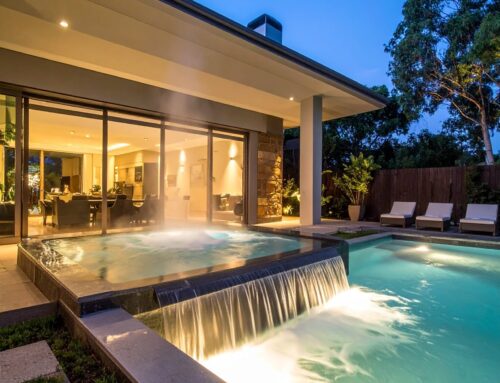
Perth’s relentless summer heat transforms backyard pools into potential algae breeding grounds faster than most homeowners expect. When temperatures consistently hover above 35°C and UV radiation peaks, your pool water becomes the perfect environment for algae spores to multiply exponentially. Within 24-48 hours of ideal conditions, a crystal-clear pool can turn into a murky green swamp that requires extensive treatment and costly chemical correction.
Indigo Pool Care services over 500 pools monthly across Perth’s northern and western suburbs, and the pattern repeats every December through February: algae outbreaks spike dramatically when pool owners underestimate how aggressively they need to adjust their maintenance routine for summer conditions. The good news? Algae prevention isn’t complicated when you understand the specific factors that trigger algae growth in Perth’s unique climate.
Why Perth’s Summer Creates Perfect Algae Conditions
Perth experiences some of Australia’s most intense summer conditions, with extended periods of 35-40°C temperatures combined with low humidity and intense UV radiation. These factors create a trifecta of challenges for pool water chemistry.
Warm water accelerates algae reproduction exponentially. At 18°C, algae spores remain relatively dormant. At 28-32°C – typical Perth pool temperatures in January – those same spores can double their population every 8-12 hours under the right conditions.
The intense UV radiation breaks down chlorine faster than in any other Australian capital city. What might last 48 hours in Melbourne’s summer disappears in 24 hours here. Compound that with increased pool usage during school holidays, and you’ve got a situation where chlorine levels plummet precisely when algae pressure peaks.
Perth’s water supply adds another layer of complexity. Our bore water and scheme water contain varying levels of phosphates and nitrates – essentially fertiliser for algae. When evaporation rates spike (often 10-15mm per day in peak summer), you’re constantly topping up with water that may be feeding the very problem you’re trying to prevent.
Understanding the Three Types of Pool Algae
Not all algae problems look the same, and understanding what you’re dealing with determines your prevention strategy.
Green algae represents 90% of pool algae problems in Perth. It starts as small patches on pool walls or a slight green tint to the water, then rapidly spreads to create the classic “swamp pool” appearance. Green algae floats freely in water, making it the easiest type to prevent and treat – but also the fastest to take over when conditions align.
Yellow (mustard) algae appears as yellowish-brown patches, typically in shaded areas or on pool steps. It’s rarer in Perth but more stubborn than green algae. Many homeowners mistake it for sand or dirt initially, brushing it away only to see it return within days.
Black algae is the nightmare scenario. Those dark spots with protective layers penetrate pool surfaces, making them incredibly difficult to eliminate once established. Black algae rarely develops in well-maintained pools, but when it does appear, it indicates serious and prolonged chemical imbalance.
Here’s a real Australian example from last summer: a family left for a two-week holiday in January with their pool looking perfect. They’d asked a neighbour to “chuck in some chlorine” mid-way through. The neighbour did – once – but didn’t run the pump for adequate circulation. When the family returned, they had textbook black algae establishing in three corners of their pool. What should have been a $150 preventive service became a $800 treatment process involving acid washing and replastering sections of the pool surface.
The Chemical Balance Foundation
Think of pool water chemistry like baking a cake – every ingredient must be in the right proportion, or the entire result fails. Miss one element, and algae will exploit that weakness.
Chlorine levels form your primary defence, but the number on your test kit only tells part of the story. Free available chlorine (FAC) should sit between 1-3 ppm for regular conditions, but Perth’s summer demands you target the higher end of that range consistently. Drop below 1 ppm for even 12 hours in 35°C heat, and you’ve opened the door for algae colonisation.
Your pH level directly impacts how effectively chlorine works. At 7.2 pH, chlorine operates at roughly 60% efficiency. At 7.8, that drops to 30%. Most Perth pools naturally drift upward in pH due to our water supply and the buffering effect of pool surfaces, meaning you’ll likely need to add acid weekly throughout summer to maintain the ideal 7.2-7.4 range.
Total alkalinity acts as your pH buffer, preventing wild swings that render chlorine ineffective. Target 80-120 ppm, adjusting with buffer or bicarb as needed. When alkalinity drops too low, your pH becomes unstable and can fluctuate multiple times daily based on pool usage, rainfall, or chemical additions.
Calcium hardness might seem unrelated to algae prevention, but water that’s too soft becomes aggressive, etching pool surfaces and creating microscopic rough patches where algae can anchor and establish colonies. Maintain 200-400 ppm for concrete and tiled pools (slightly lower for fibreglass).
Cyanuric acid (stabiliser) protects chlorine from UV degradation – critical in Perth’s intense sunlight. However, there’s a catch: too much stabiliser (above 80 ppm) creates “chlorine lock,” where your chlorine readings look fine but the chlorine can’t effectively sanitise. This commonly happens in pools that exclusively use stabilised chlorine products without occasional dilution.
Circulation and Filtration Requirements
Your pool pump and filter system remove the physical algae spores before they can establish colonies, but only if they’re running long enough and working efficiently.
Run time needs to increase dramatically in summer. That 4-6 hours that worked fine in winter won’t cut it when water temperatures hit 30°C. Most Perth pools need 8-10 hours of daily filtration during December through February, with the pump running during the hottest part of the day when algae growth accelerates.
A common mistake: running the pump overnight to save on electricity costs. While this reduces your power bill slightly, it means your filtration system is offline during peak algae growth hours. The $15 monthly saving often results in a $200 algae treatment bill.
Filter maintenance becomes non-negotiable. A sand filter that hasn’t been backwashed in three weeks might be moving water, but it’s not removing the microscopic particles and spores that lead to algae blooms. Backwash sand filters weekly during summer, clean cartridge filters fortnightly, and monitor your pressure gauge – a 7-10 psi increase above clean pressure indicates it’s time for maintenance regardless of your schedule.
Dead spots in your pool – areas where water circulation is minimal – create algae havens. Check behind ladders, in corners, around steps, and near skimmer boxes. If you can see debris settling in these areas, algae spores are settling there too. Adjust return jets to eliminate dead spots, and manually brush these areas twice weekly.
The pool equipment you’re running matters more than many homeowners realise. An undersized or ageing pump that can’t turn over your pool volume efficiently will struggle to prevent algae growth regardless of chemical levels. If your pool equipment is more than 10 years old or you’re unsure about its sizing, a professional assessment can identify whether your system is adequate for Perth’s summer demands.
Weekly Maintenance Schedule for Summer
Consistency beats intensity when preventing algae. A solid weekly routine takes less time and money than recovering from an algae outbreak.
Monday: Chemical testing and adjustment. Test and record chlorine, pH, and alkalinity at minimum. Add chlorine to bring levels to 2-3 ppm. Adjust pH to 7.2-7.4 with acid if needed. This sets your baseline for the week.
Wednesday: Mid-week check and brush. Quick test of chlorine levels – top up if below 2 ppm. Brush all pool surfaces, paying special attention to shaded areas, steps, and corners. Brushing dislodges algae spores before they can attach and multiply.
Friday: Full chemical rebalance. Complete testing including alkalinity and stabiliser levels. Add chlorine to boost levels heading into the weekend when pool usage typically peaks. Empty skimmer and pump baskets.
Sunday: Shock treatment and deep clean. This is your preventive strike. Add shock chlorine (or non-chlorine shock) to oxidise organic matter and kill any algae spores that survived the week. Backwash or clean your filter. Check and clean the pool cleaner if you use an automatic system.
This schedule assumes you’re maintaining a standard residential pool care property with moderate usage. Rental property pools with tenant turnover or strata complex pools with high bather loads need more frequent attention and professional monitoring to meet WA Health Department requirements.
Shock Treatment Strategy
Regular chlorination maintains baseline sanitation, but shock treatment provides the knockout punch that prevents algae from ever establishing a foothold.
Shock treatment involves raising chlorine levels to 10-20 ppm for several hours, effectively oxidising organic matter and obliterating algae spores. In Perth’s summer, weekly shocking isn’t excessive – it’s preventive maintenance that costs far less than treating an algae outbreak.
Choose your shock product based on your pool type and situation. Calcium hypochlorite (cal hypo) delivers powerful oxidation but raises calcium hardness over time – fine for most pools but problematic if your levels are already high. Sodium dichlor works well for regular shocking without affecting calcium, though it adds cyanuric acid. Non-chlorine shock (potassium monopersulfate) oxidises organics without affecting chlorine or other chemical levels, making it ideal for mid-week treatments.
Timing matters significantly. Shock in the evening after the sun sets and pool usage has finished for the day. This gives the treatment 8-12 hours to work before UV radiation and swimmers dissipate its effectiveness. Never shock during the day – you’ll waste most of the chlorine to UV degradation before it can do its job.
After shocking, run your pump continuously for at least 8 hours (overnight is ideal). This circulates the shock treatment throughout the entire pool volume and pushes it through your filter system. The pool should be safe for swimming once chlorine levels drop back below 5 ppm, typically by morning if you shocked the previous evening.
Phosphate Control Methods
Phosphates act as fertiliser for algae, and Perth’s water supply contains varying levels depending on your suburb and water source. Controlling phosphates removes one of the three elements algae need to thrive (the others being sunlight and warm water – both unavoidable in Perth summer).
Test phosphate levels monthly during summer using a dedicated phosphate test kit. Levels above 500 ppb (parts per billion) create conditions where algae can thrive even with decent chlorine levels. Above 1000 ppb, you’re fighting an uphill battle.
Phosphate removers work by binding to phosphates and dropping them out of solution, where your filter captures them. After adding phosphate remover, run your filter continuously for 24-48 hours, then clean or backwash thoroughly to remove the precipitated phosphates. You’ll often see cloudy water temporarily as the phosphates drop out – this is normal and clears within 24 hours.
Prevention beats removal. Avoid phosphate sources where possible: use low-phosphate pool chemicals, prevent garden fertiliser runoff from entering the pool, and regularly clean leaves and organic debris before they decompose in the water. Every leaf that breaks down in your pool releases phosphates.
Managing Pool Usage and Bather Load
More swimmers means more organic matter – sunscreen, sweat, body oils, and other contaminants that consume chlorine and feed algae growth. Perth’s summer means peak pool usage precisely when algae pressure is highest.
After heavy pool usage (think kids’ pool party or afternoon with 8-10 swimmers), your chlorine levels have likely crashed. Test and adjust immediately after usage rather than waiting for your regular schedule. Add extra chlorine to compensate for the organic load, and run your pump for an additional 2-4 hours to process the contamination.
Shower rules aren’t just about cleanliness – they’re about chemistry. Encouraging swimmers to rinse off before entering removes a significant portion of the sunscreen, lotions, and body products that would otherwise consume your chlorine and contribute to algae food sources.
Consider a pre-swim chlorine boost during peak usage periods. Raising chlorine to 3-4 ppm before a pool party gives you buffer capacity to handle the organic load without dropping into the danger zone where algae can establish.
Automatic Systems and Technology
Technology can’t replace proper pool care, but it can make consistent maintenance far more achievable for busy homeowners.
Salt chlorinators generate chlorine continuously from salt in the water, providing consistent sanitisation without manual chlorine additions. They’re particularly valuable in Perth’s summer because they maintain baseline chlorine levels automatically. However, you still need to monitor and adjust – chlorinators can’t compensate for pH imbalances, phosphate problems, or inadequate circulation.
Set your chlorinator output higher during summer months. Most units have adjustable output settings; increase by 20-30% from December through February to match the increased demand. Monitor salt levels monthly – they should sit between 3000-4000 ppm for most systems.
Automatic pool cleaners reduce manual labour and improve circulation in dead spots, but they’re not algae prevention systems by themselves. They remove debris before it decomposes, which indirectly helps, but they won’t compensate for poor chemistry or inadequate filtration run time.
Mineral systems (copper/silver ionisation) provide supplementary sanitisation that can reduce chlorine demand by 30-50%. The minerals create an environment hostile to algae and bacteria, but they work alongside chlorine, not instead of it. Never rely solely on mineral systems in Perth’s summer – you still need adequate chlorine levels.
Professional Service Integration
Even with diligent home maintenance, professional service provides the expertise and consistency that prevents problems before they develop.
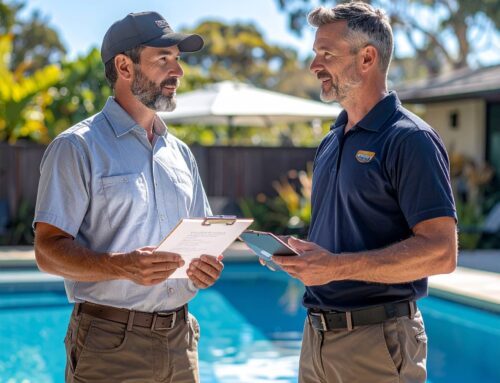
Residential pool care services typically include comprehensive water testing (including parameters many homeowners don’t test for), equipment inspection, chemical balancing, and the experience to spot early warning signs of algae or equipment problems. A technician who services hundreds of pools monthly recognises subtle indicators – slight cloudiness, off-colour water, or unusual chemical consumption patterns – that signal developing issues.
The cost comparison is straightforward: fortnightly professional service throughout summer typically costs $80-120 monthly. A single algae outbreak requiring shock treatment, extra chemicals, possible acid washing, and your time costs $300-600 to resolve. Prevention delivers better results for less money.
Professional service becomes particularly valuable for rental property pool care owners who can’t personally monitor the pool weekly, or during holidays when you’re away from home. A service technician ensures your pool remains algae-free regardless of your schedule or tenant behaviour.
Early Warning Signs and Intervention
Catching algae in its earliest stages means a simple intervention rather than a full treatment protocol. Train your eye to recognise the warning signs.
Cloudy or hazy water often appears 24-48 hours before visible algae. The water loses that crystal-clear sparkle and develops a slight milky or dull appearance. This indicates either inadequate filtration, chemical imbalance, or early algae spore proliferation – all requiring immediate attention.
Slippery pool surfaces feel different under your feet or hand. That slight slickness on walls, steps, or the pool floor indicates biofilm development – the foundation algae uses to establish colonies. Brush thoroughly and boost chlorine immediately.
Reduced chlorine effectiveness shows up as chlorine levels that drop faster than normal or difficulty maintaining target levels despite regular additions. This often indicates high phosphate levels, chlorine lock from excessive stabiliser, or early algae consumption.
Visible spots or patches, even tiny ones, demand immediate aggressive treatment. A spot the size of a coin can spread to cover several square metres within 48-72 hours in Perth’s summer heat. Don’t wait to see if it gets worse – it will.
When you spot any warning sign, implement an immediate intervention: brush the entire pool thoroughly, shock treat with double the normal dose, run the pump continuously for 24 hours, and test all chemical parameters. This aggressive early response typically prevents full algae blooms that require extensive treatment.
Equipment Maintenance for Algae Prevention
Your pool equipment works harder during Perth’s summer than any other time of year, and equipment failure creates conditions where algae can rapidly establish.
Filter media has a finite lifespan. Sand should be replaced every 5-7 years, cartridges every 2-3 years (depending on quality and maintenance frequency), and DE grids every 7-10 years. Old filter media loses effectiveness, allowing algae spores to recirculate rather than being captured and removed.
Monitor your pump’s performance indicators. Reduced flow, unusual noises, or difficulty priming all suggest problems that compromise circulation and filtration effectiveness. A pump running at 70% efficiency might seem adequate, but that 30% reduction in circulation creates dead spots where algae establishes.
Chlorinator cells (in salt systems) require regular inspection and occasional acid cleaning to remove calcium scale buildup. A scaled cell produces less chlorine than indicated by your control panel, creating a false sense of security while your actual chlorine levels drop into the danger zone.
Skimmer and pump baskets need emptying twice weekly minimum during summer. A blocked basket restricts flow, reducing filtration effectiveness and creating the stagnant conditions algae loves. This simple 2-minute task prevents numerous problems.
If you’re experiencing recurring algae problems despite good chemical maintenance, the issue often lies with equipment performance rather than water chemistry. Professional equipment solutions can identify whether your system is adequate for Perth’s summer demands or requires upgrades to maintain algae-free conditions.
Conclusion
Preventing algae growth in Perth’s brutal summer heat requires understanding the specific factors that create ideal conditions for algae proliferation: warm water temperatures, intense UV radiation that depletes chlorine rapidly, high phosphate levels in our water supply, and increased pool usage during school holidays. Each factor compounds the others, creating a perfect storm for algae outbreaks if your maintenance routine doesn’t adjust accordingly.
The foundation of algae prevention rests on consistent chemical balance – maintaining chlorine levels at 2-3 ppm, pH at 7.2-7.4, and proper alkalinity throughout summer’s challenges. Adequate circulation through 8-10 hours of daily pump operation, combined with weekly shock treatments and regular brushing, eliminates algae spores before they can establish colonies. Phosphate control removes the fertiliser algae needs to thrive, while equipment maintenance ensures your filtration system operates at peak efficiency when you need it most.
The difference between a crystal-clear pool and a green swamp often comes down to consistency rather than complexity. A solid weekly routine takes 30-45 minutes and costs $20-30 in chemicals – far less than the time, money, and frustration of treating an algae outbreak that could have been prevented. Early intervention when you spot warning signs stops minor issues before they become major problems.
For homeowners who want the confidence of professional expertise or simply don’t have time for weekly maintenance during Perth’s busy summer season, regular service provides peace of mind and consistently superior results. Whether you’re managing a family pool, rental properties, or strata pool management needs, professional support ensures your pool remains safe, clean, and algae-free throughout the hottest months. Contact us today to discuss customised pool care solutions that keep your pool crystal-clear all summer long.