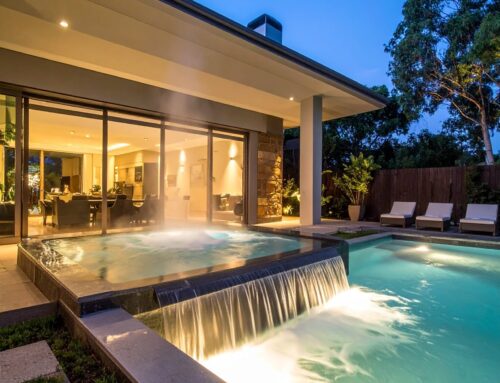
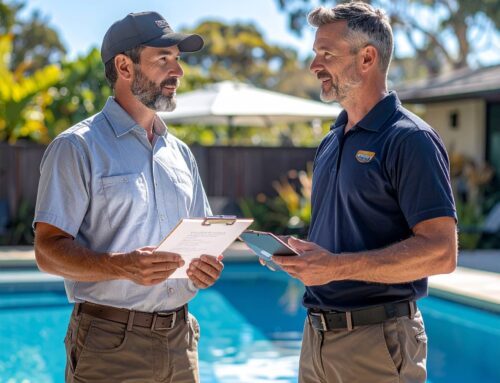
Perth’s relentless summer heat and unique climate conditions place extraordinary demands on residential pools. A sparkling pool in November can turn cloudy by December without proper maintenance, and what seems like a minor chemical imbalance can escalate into a costly algae outbreak within days. Understanding the right pool service frequency for your pool isn’t just about aesthetics – it’s about protecting your investment and ensuring safe swimming conditions year-round.
Most Perth pool owners underestimate how quickly water chemistry shifts in our climate. Between evaporation rates that can exceed 10mm per day in summer, UV exposure that breaks down chlorine faster than in southern states, and the constant introduction of debris, sunscreen, and body oils, your pool faces challenges that demand consistent attention.
The Industry Standard for Perth Pools
Professional pool technicians recommend fortnightly servicing as the optimal pool service frequency baseline for most residential pools in Perth’s climate. This service frequency aligns with WA Health Department guidelines and reflects the practical reality of how quickly water chemistry degrades under our conditions.
Indigo Pool Care services over 500 pools monthly across Perth’s western and northern suburbs, and the data consistently shows that fortnightly maintenance prevents 90% of the serious water quality issues that require emergency intervention. Pools serviced monthly or less frequently experience green water incidents at nearly four times the rate of those on fortnightly schedules.
The fortnightly standard isn’t arbitrary. It’s based on how pool chemistry behaves in Perth’s environment and the practical window for correcting imbalances before they become visible problems.
What Actually Happens Between Services
Water chemistry doesn’t degrade linearly – it accelerates. A pool with perfect balance on Monday might show acceptable readings on Friday but deteriorate rapidly by the following Wednesday.
Chlorine Degradation
Chlorine degradation occurs fastest in the first week after dosing. Perth’s intense UV exposure breaks down free chlorine at rates that can deplete levels by 50% within five days during peak summer. By day ten, you’re often operating below the minimum 1.0 ppm threshold required for effective sanitation.
pH Drift and Chemical Imbalance
pH drift happens constantly as chlorine interacts with contaminants, as CO₂ from the atmosphere dissolves into the water, and as your pool’s total alkalinity buffers shift. A pool with pH of 7.4 on service day can easily reach 7.8 or higher within two weeks, reducing chlorine effectiveness by up to 50% even if chlorine levels appear adequate.
Phosphate Accumulation
Phosphate accumulation from garden runoff, fertiliser drift, and organic debris provides nutrients for algae growth. Once phosphate levels exceed 500 ppb, algae blooms can establish within 72 hours if chlorine drops even briefly.
Think of pool chemistry like balancing a recipe – all ingredients must be in the right proportions simultaneously. Miss one element, and the whole system fails.
Summer vs Winter Pool Service Frequency
Perth’s distinct seasons demand different approaches to pool maintenance, and understanding these differences prevents both over-servicing and under-servicing when adjusting your pool service frequency.
Summer Service Requirements (November – March)
Summer demands the most intensive maintenance schedule. Water temperatures above 26°C accelerate algae growth exponentially, while increased pool usage introduces more contaminants daily.
Fortnightly service becomes the minimum during Perth’s summer months. Many pools benefit from weekly attention during January and February when temperatures consistently exceed 35°C. Weekly services aren’t about generating extra revenue – they’re about maintaining chemistry stability when evaporation, UV exposure, and usage all peak simultaneously.
A family of four using their pool daily throughout summer introduces approximately 50 – 70 litres of sunscreen, body oils, and sweat into the water weekly. That’s organic load your chlorine must oxidise before it can sanitise effectively.
Winter Service Adjustments (June – August)
Winter allows for reduced service frequency, but “reduced” doesn’t mean neglected. Most residential pools can safely extend to three-weekly services during Perth’s cooler months when water temperatures drop below 18°C and usage decreases.
However, winter brings its own challenges. Increased rainfall can dilute chemicals and overflow pools, introducing garden debris and altering water balance. Algae doesn’t die in winter – it simply grows more slowly, waiting for conditions to improve.
The pools that turn green in September are typically those whose owners stopped winter servicing entirely, allowing phosphates to accumulate and sanitiser levels to drift too low.
Property Type and Usage Patterns
Service frequency isn’t one-size-fits-all. Your property type and how the pool gets used dramatically affect optimal maintenance schedules.
High-Usage Family Pools
Pools used daily by families with children require more frequent attention than those used occasionally by adult couples. Children introduce more contaminants, splash out more water (requiring more frequent top-ups that dilute chemistry), and tend to use the pool during the hottest parts of the day when chemical degradation peaks.
Weekly servicing during school holidays and peak summer often proves more cost-effective than fortnightly service plus emergency call-outs for cloudy water or algae blooms.
Rental Properties
Landlords face unique challenges with pool maintenance. Tenants rarely maintain pools to the standard required, and rental properties need professional oversight to prevent neglect from becoming costly repairs.
Fortnightly service year-round represents the minimum for rental properties. This frequency ensures compliance with tenancy obligations, prevents equipment damage from chemical imbalances, and provides documentation of proper maintenance if disputes arise.
Property managers consistently report that the cost of fortnightly servicing is substantially less than the expense of rehabilitating green pools during tenant changeovers or replacing equipment damaged by chemical neglect.
Strata and Body Corporate Pools
Strata complexes require the most rigorous maintenance schedules due to higher usage, public health obligations, and WA Health Department compliance requirements.
Weekly servicing is standard for most strata pools, with some high-use facilities requiring twice-weekly attention. These pools must maintain tighter chemistry tolerances, require more frequent water testing, and need detailed record-keeping to satisfy health inspections.
The consequences of inadequate strata pool maintenance extend beyond poor water quality – they include potential liability for illness, regulatory penalties, and the significant expense of temporary pool closures.
Equipment Condition and Service Frequency
Your pool’s equipment directly influences how often you need professional servicing. Older or failing equipment can’t maintain chemistry stability as effectively as properly functioning systems, which is why equipment condition is a critical factor in determining the right pool service frequency for your situation.
Pool Pump Efficiency
Pool pumps that run inconsistently or for insufficient hours daily prevent adequate circulation and filtration. Even perfect chemistry becomes irrelevant if the water isn’t moving through the filter. Pumps older than eight years often develop efficiency losses that require increased service frequency to compensate.
Chlorinator Output Degradation
Chlorinators degrade over time, producing less chlorine even when salt levels appear correct. A chlorinator that’s three years old might need weekly chemistry checks rather than fortnightly, simply because its output has become unreliable.
Filter Media Condition
Filter condition affects everything. A cartridge filter that hasn’t been cleaned in six months or a sand filter with media older than five years can’t remove contaminants effectively, forcing your sanitiser to work harder and depleting faster.
Regular equipment inspections during service visits catch these issues before they compromise water quality. The pool that suddenly needs weekly servicing after years of fortnightly maintenance often has equipment that’s reached end-of-life and needs replacement rather than more frequent chemical dosing. Exploring available equipment solutions helps optimise your system’s performance and reduce overall maintenance requirements.
Cost Considerations and False Economies
Many Perth pool owners attempt to reduce costs by extending service intervals or handling maintenance themselves. While understandable, this approach typically costs more in the long term.
Professional Servicing Costs
Fortnightly professional servicing for an average residential pool costs approximately $80 – 120 per visit in Perth. That’s $2,080 – 3,120 annually for year-round fortnightly service, or roughly $60 – 85 monthly when averaged.
Emergency Repair Expenses
Compare that to the cost of rehabilitating a green pool ($350 – 600), replacing a pump damaged by chemical imbalance ($800 – 1,500), or resurfacing a pool interior damaged by persistent pH imbalances ($8,000 – 15,000). One prevented disaster pays for years of proper maintenance.
A family in Scarborough learned this lesson expensively when they extended their service interval from fortnightly to monthly to “save money.” Within three months, their pool developed a persistent algae problem that required acid washing ($1,200), new filter media ($380), and intensive chemical treatment. The service fees they’d “saved” cost them nearly $2,000 to rectify.
Self-Maintenance Between Professional Services
Even with fortnightly professional servicing, pool owners should perform basic maintenance between visits. This doesn’t replace professional service – it supplements it.
Basic Maintenance Tasks
Emptying skimmer and pump baskets Brushing pool walls and floor Checking water level and topping up as needed Removing visible debris with a leaf rake Running the pool cleaner if you have one
Mid-Service Testing
Mid-service testing helps catch problems early. Testing chlorine and pH levels one week after professional service provides early warning if chemistry is drifting faster than normal, allowing you to contact us before visible problems develop.
However, self-testing doesn’t replace professional service. Homeowner test kits measure only basic parameters and lack the accuracy of professional equipment. They can’t detect phosphates, stabiliser levels, calcium hardness, or the subtle imbalances that lead to scale formation or equipment corrosion.
When to Increase Service Frequency
Certain situations demand temporarily increased service frequency beyond your normal schedule.
After Severe Weather Events
After severe weather events, particularly storms that introduce large amounts of debris or rainfall that significantly dilutes chemistry, schedule an additional service within 48 hours. The cost of one extra visit is negligible compared to fighting algae blooms.
Before and After Heavy Usage Periods
Before and after parties or heavy usage periods, have your pool serviced. Pre-party service ensures optimal conditions for guests; post-party service addresses the increased contaminant load before it overwhelms your sanitiser.
When Water Appears Off
When water appears slightly off, don’t wait for your next scheduled service. Cloudy water, unusual odours, or visible algae spots indicate chemistry has already failed. Early intervention costs far less than waiting until your regular service date.
During Extreme Heat Events
During heat waves exceeding 40°C for multiple days, consider additional mid-cycle checks. Extreme temperatures accelerate every chemical process in your pool, and what’s normally a stable two-week interval can become inadequate within days.
The Real Value of Professional Service
Professional pool servicing delivers value beyond simply adding chemicals. Experienced technicians identify developing problems before they become visible or costly.
During each residential pool care visit, qualified technicians check equipment operation, inspect for leaks, assess water clarity and colour, test multiple chemical parameters, and adjust chemistry based on current conditions and forecasted weather. They spot the early signs of pump bearing failure, chlorinator cell degradation, or filter media exhaustion.
This diagnostic aspect of professional servicing often saves more money than the service costs. A technician who notices your pump running louder than normal and recommends bearing replacement ($280) prevents the complete pump failure that would occur two months later ($1,200 emergency replacement).
Professional service also provides documentation of proper maintenance, which proves valuable for warranty claims, property sales, and rental property compliance.
Making the Right Choice for Your Pool
The right pool service frequency for your Perth pool depends on multiple factors working together: climate conditions, usage patterns, equipment condition, and property type.
For most residential pools in Perth, fortnightly service year-round provides the optimal balance of chemistry stability, equipment protection, and cost-effectiveness. Establishing the correct pool service frequency from the start ensures pools with heavy usage, older equipment, or rental situations benefit from weekly attention during peak summer months.
The pools that consistently maintain perfect water quality, require fewer equipment repairs, and cost less to operate long-term are those that receive consistent professional attention at appropriate intervals. They’re also the pools whose owners spend more time enjoying them and less time troubleshooting problems.
Protecting Your Investment
Your pool represents a significant investment in your property and lifestyle. In Perth’s demanding climate, that investment requires consistent professional maintenance to deliver years of trouble-free enjoyment.
Establishing the right service frequency from the start prevents the cascading problems that result from inadequate maintenance. Clear water, balanced chemistry, and properly functioning equipment don’t happen by accident – they’re the result of consistent professional attention at intervals matched to your pool’s specific needs.
If you’re uncertain about the right service schedule for your pool, or if you’ve been managing maintenance yourself and want professional oversight, access our pool equipment resources for guidance. We’ll evaluate your pool’s condition, equipment status, and usage patterns to recommend a service frequency that protects your investment while fitting your budget.
Perth’s climate doesn’t allow for casual pool maintenance. The difference between a pool that’s a pleasure to own and one that’s a constant source of frustration often comes down to nothing more than establishing the right service frequency and sticking to it consistently.
Ready to establish the ideal maintenance schedule for your pool? Contact us for a no-obligation assessment and custom service frequency recommendation tailored to your Perth pool’s specific needs. Our team brings over 12 years of Perth pool care experience to help you make the right decision.